Cultivating Resilience: A Path to Mental Wellbeing
- Laura Haywood

- Dec 1, 2025
- 4 min read
Life isn’t slowing down. Your inbox isn’t magically emptying itself. And your nervous system doesn’t care whether you’ve scheduled time to breathe or not. Mental wellbeing isn’t something you “get around to.” It’s the foundation of how you show up for your work, your people, and yourself.
And resilience? It’s not the stiff-upper-lip persona many of us were raised with. It’s the quiet, sustainable capacity to bend without snapping.
Resilience: It’s Not Toughness, It’s Capacity
For years, resilience was framed as grit. Push harder. Bounce back. Don’t break. But research doesn’t support that narrative.
Studies from the American Psychological Association show that resilience isn’t about sheer endurance. It’s about adaptability, connectedness, and healthy emotional regulation. People don’t thrive because they’re only tough. They thrive because they’re flexible, supported, self-aware, reflective, and willing to shift despite setbacks.
Here’s the part some of you may not realize: resilience isn’t something you can magically expect to appear in a crisis. It’s something that needs to be built upon before you need it. This way, you can bend and not break when challenges arise.
Mental Wellbeing Is a Daily Practice, Not a Fire Extinguisher
If you only check in with yourself when you’re overwhelmed, you’re essentially trying to lift a car without ever going to the gym.

You don’t develop a strong emotional core when everything’s already on fire. You build it through the small, unglamorous habits that keep your nervous system steady.
Think of wellbeing like maintenance, not repair. You don’t wait for your car to break down before you change the flat tire. Yet many people wait for panic, burnout, or emotional exhaustion before they pause.
We all need to practice small shifts before we reach that point. The world we’re living in demands it.
Three Areas That Actually Shift Mental Wellbeing & Resilience
Awareness
Self-awareness isn’t a nice-to-have; it’s your early-warning system. Studies from the University of Toronto on emotional regulation show that simply naming a feeling reduces its intensity. When you can notice your emotional weather changing, you can respond thoughtfully instead of reacting wildly. You can choose to put your rain boots on before you step outside.
Awareness is the difference between saying, "I’m fine," and recognizing, "Something in me needs attention." It’s about knowing your triggers so they no longer stay as triggers. Instead, they become information that you can build upon in a resilient, emotionally healthy way.
Boundaries
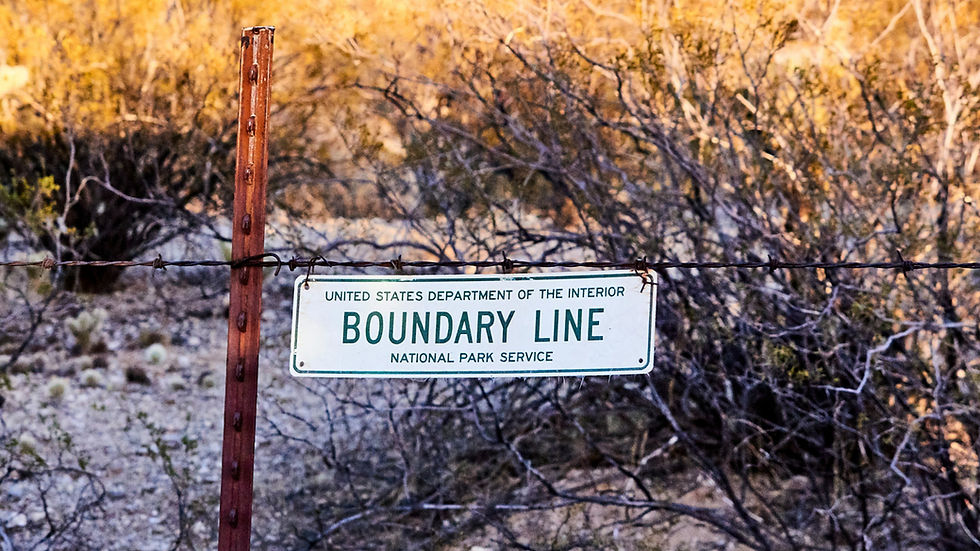
This one’s the quiet superhero. Boundaries aren’t defensive walls; they’re agreements that protect your time, energy, and emotional load. Brené Brown's work highlights that the most compassionate people are usually those with the strongest boundaries. It’s not because they care less, but because they care sustainably.
It’s time to stop automatically saying ‘yes’. Start thinking about what is right for you in this moment and respond in a way that honours yourself too.
Remember, people who think boundaries make them selfish (often people pleasers) tend to burn out faster.
Recovery
Rest isn’t indulgent; it’s biological. Your nervous system needs time to slow down and regulate. Your brain requires integration time. The National Institute of Mental Health notes that chronic stress impairs memory, decision-making, and emotional balance.
How can you recover from adversity if you don't care for yourself in calmer times? Rest is not just collapsing on the sofa with a screen in your face, doom scrolling. Recovery is intentional. It includes sleep, stillness, movement, breathing, downtime, and fun! It's the pause that makes everything else possible.
Common Resilience Traps
Let’s take a peek at some resilience traps, with honesty.
Over-functioning disguised as commitment: Doing everything for everyone isn’t devotion; it’s depletion with a bow on top. It exhausts you and breeds resentment because you develop a ‘no one does it for me’ story.
People-pleasing dressed as kindness: True kindness doesn’t require self-abandonment. If you’re trying to keep the peace at your own expense, that’s not kindness; that’s fear.
'I'll be fine', as avoidance: No, you won’t. Not if you ignore every sign your body and mind give you without changing anything.
Simple, Powerful Practices That Strengthen Resilience
Keep these practices practical, realistic, and non-performance based. And keep practicing!
Two-minute grounding check-ins: Choose realistic days and times you can commit to. Ask yourself, "What am I feeling? What do I need? Where’s my energy?" Two minutes. No excuses.
Naming your needs out loud (or writing them down): Your nervous system relaxes when your needs are acknowledged, even if you’re the only one who hears them. Start recognizing what you need.
Creating margins in your week: White space isn’t laziness; it’s oxygen. It’s giving yourself permission to pause and take a breath.
Asking for help early: Not when you’re drowning, but when you feel the tide rising. Start by becoming aware of what you are feeling and what’s beneath it.
These aren’t big gestures. They’re small shifts that stack up over time with practice.
For Leaders, Space-Holders & Coaches
Your resilience isn’t just for you; it’s a professional necessity. The container you create for others depends on the internal container you’ve built for yourself. Others feel the difference. A resilient leader, coach, or space-holder listens more clearly, challenges wiser, holds deeper space, and leads with steadiness.
You can’t guide people into clarity if your own foundation is cracking. You don’t need perfection; you need presence. You don’t need to have it all together; you need practices that can bring you back to centre and keep you grounded.
A great reminder for me: you teach what you embody. Always.
A Gentle Challenge to Close
If you take nothing else from this, please take this:
Resilience isn’t a trait you are born with. It’s a capacity you cultivate over time. Ask yourself, honestly, what’s one small shift you can make this week that your future self will thank you for? Start there. Practice until it sticks. Everything else builds from there.
Wishing you all a happy, healthy, balanced 2026!

Laura is an ICF professional, certified life coach. She is passionate about helping people get unstuck and out of their own way. As a previous therapist and now coach-for-life, Laura brings deep insight, experience, and appreciation for those wanting to move forward with meaningful change. If you are looking for a coach to help you shine in the world, then reach out for a free discovery call to see how coaching with Laura could help you. Rooted in therapy, powered by coaching, focused on you!